A Trade Fair Showcasing the Value and Potential of Labels
The Label Pavilion is a dedicated exhibition area within Label Forum Japan 2026 designed to promote the value, functionality, and versatility of label products. Through a wide variety of labels, stickers, tags, and related applications, the Pavilion aims to help brand owners, manufacturers, and label users better understand how labels contribute to product appeal, consumer communication, functionality, and sustainability. Held alongside TOKYO PACK 2026, one of Asia’s leading packaging exhibitions, the Pavilion provides an ideal opportunity to introduce innovative label solutions to a broad audience of packaging professionals, brand owners, and end users. By highlighting the many roles labels play in modern products and packaging, the Pavilion seeks to expand awareness and create new business opportunities for the label industry.
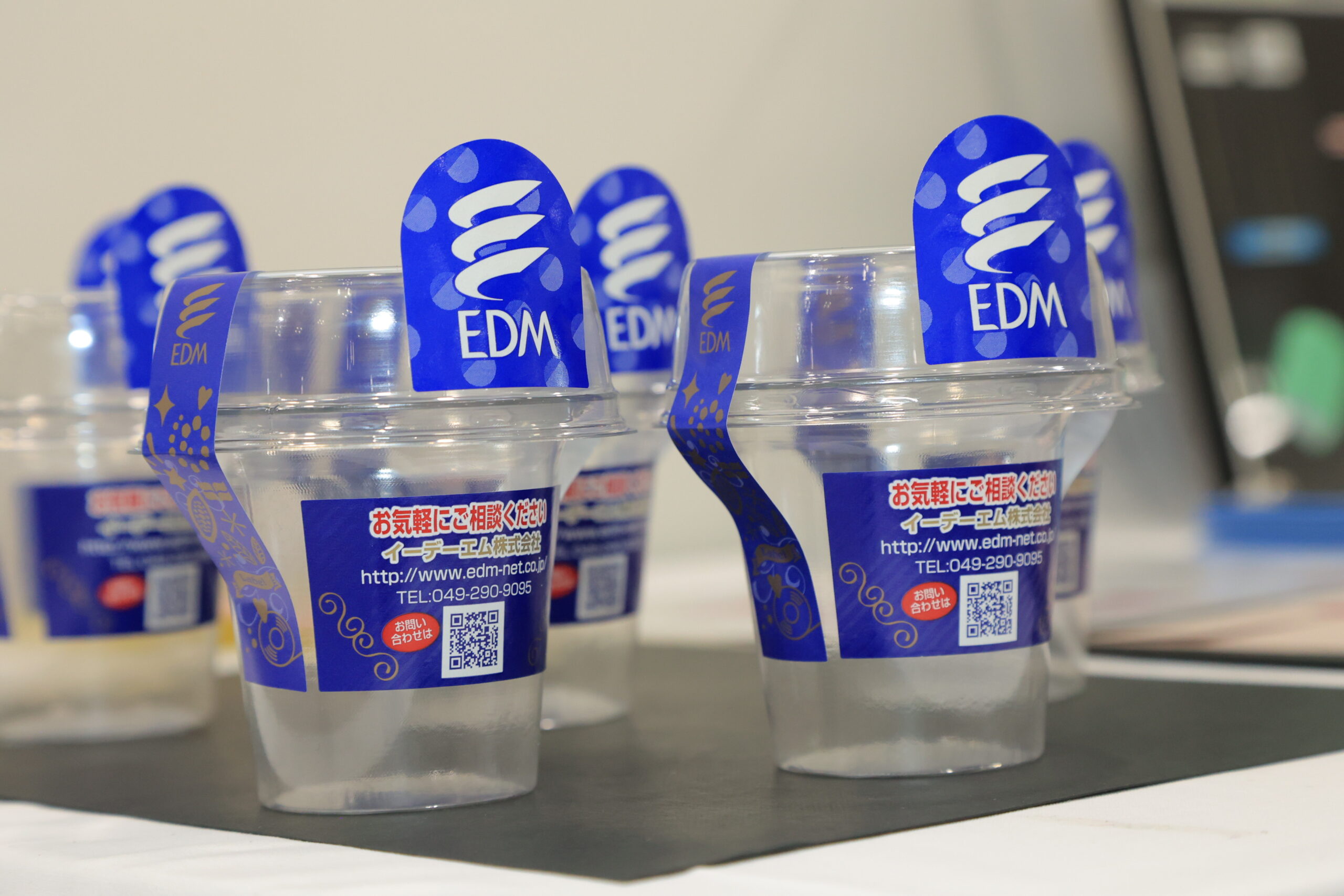
Labels do far more than communicate product information. They play an important role in attracting consumer attention, enhancing product appeal, and strengthening brand identity at the point of sale. Through creative design, embellishment, materials, and textures, labels help convey product quality and brand values while supporting product differentiation and purchasing decisions.
Recent advances in specialty labels, digital printing, and short-run production have significantly expanded creative possibilities. As brands increasingly seek memorable consumer experiences and social media engagement, innovative label design has become an increasingly important marketing tool.
New Opportunities for Direct Food Labeling
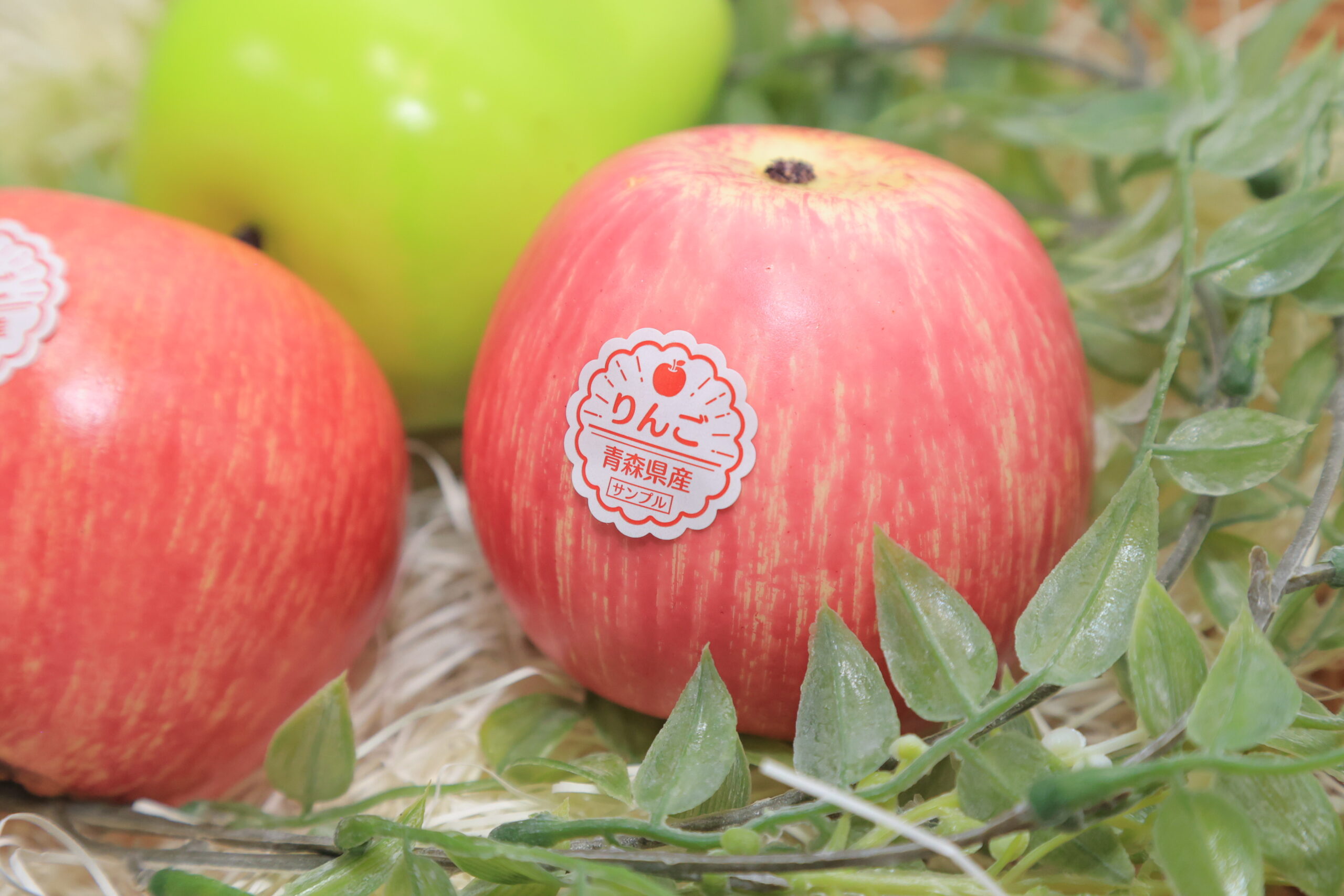
Labels that can be applied directly to food products are attracting growing attention as a sustainable branding solution. By eliminating or reducing packaging materials, direct food labeling can help reduce environmental impact while allowing producers to communicate origin, brand identity, and product information directly on fruits, vegetables, and other food products.
Because these applications involve direct food contact, safety and regulatory compliance are essential considerations. Advances in food-safe materials, adhesives, and inks enable manufacturers to combine consumer safety with effective branding, product differentiation, and visual appeal.
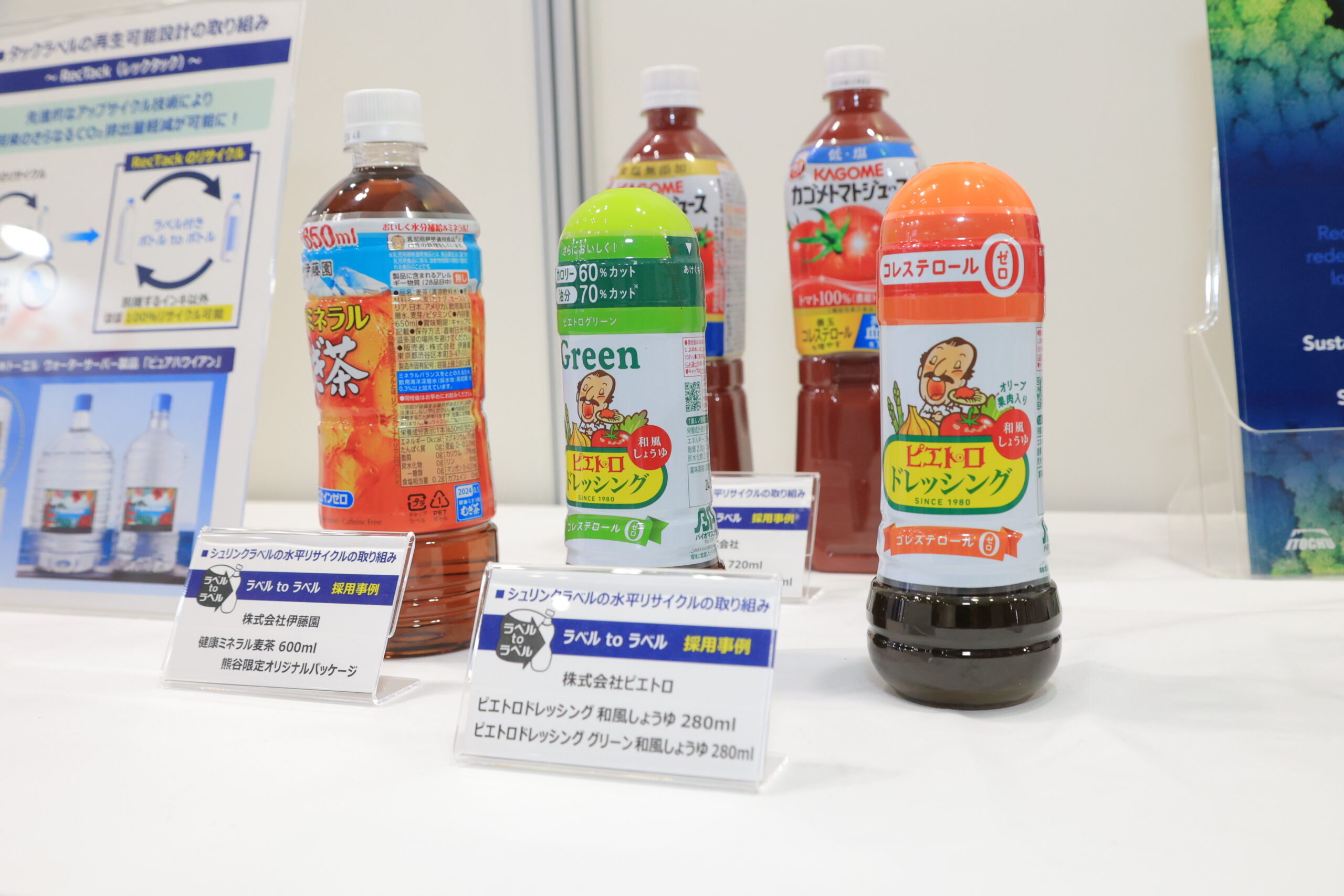
Sustainable Labels Supporting a Circular Economy
Sustainability has become one of the most important drivers of innovation within the label industry. Manufacturers are developing new solutions that help reduce environmental impact and support a circular economy, including recyclable label constructions, wash-off adhesives, and labels designed for mono-material packaging systems.
In addition, the use of recycled and bio-based materials, energy-efficient printing technologies, and water-based inkjet solutions continues to expand. Today, sustainability initiatives extend beyond regulatory compliance, playing an increasingly important role in strengthening brand value and supporting corporate ESG and sustainability strategies.
Creating Added Value Through Labels
The Label Pavilion will showcase innovative label products that enhance brand value and product functionality through advanced printing and converting technologies. By bringing together perspectives from both manufacturers and brand owners, the Pavilion aims to demonstrate the many ways labels create value beyond their traditional role as information carriers.
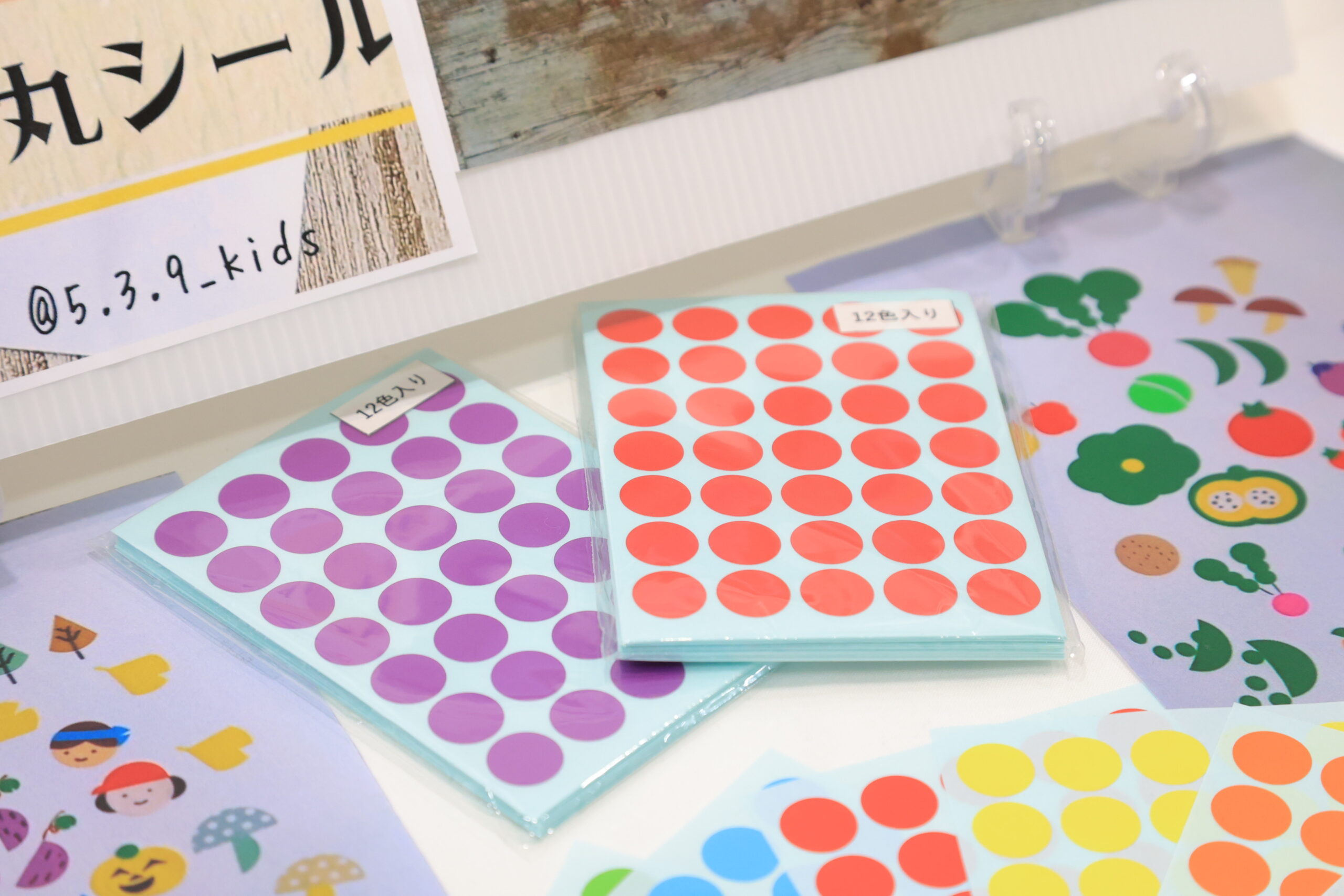
The Value of Labels in Stationery and Consumer Goods
Labels and stickers have become increasingly important tools for enhancing product appeal through design, texture, and decorative effects. Growing demand for collectible, customizable, and highly creative products has expanded opportunities for innovative label applications. From character-themed stickers and decorative labels for planners and notebooks to functional labels for organization and identification, a wide range of products are being developed to meet the needs of different markets and consumer groups. Labels are increasingly recognized as a means of creating emotional engagement and enriching the user experience.
RFID Labels and Smart Solutions
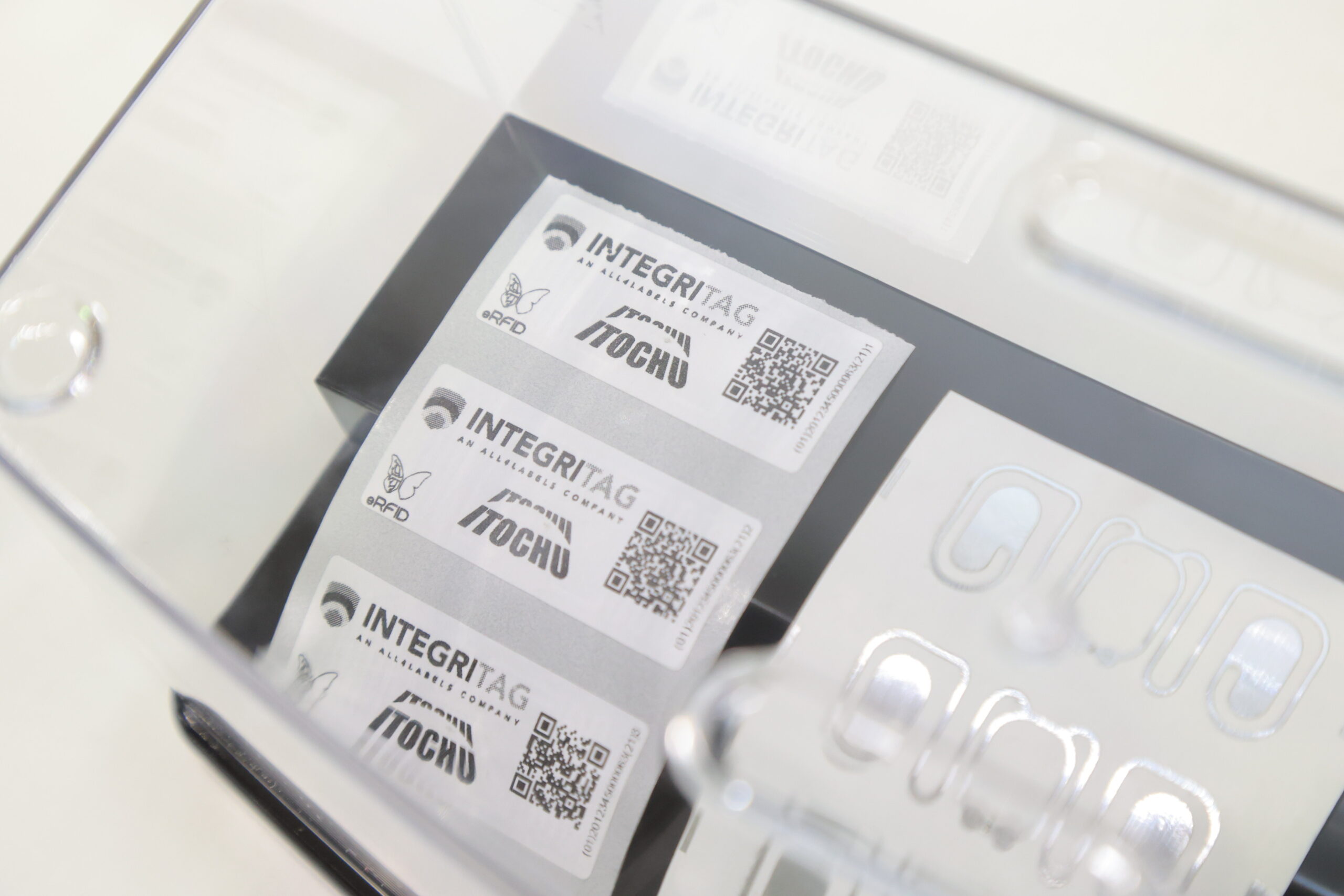
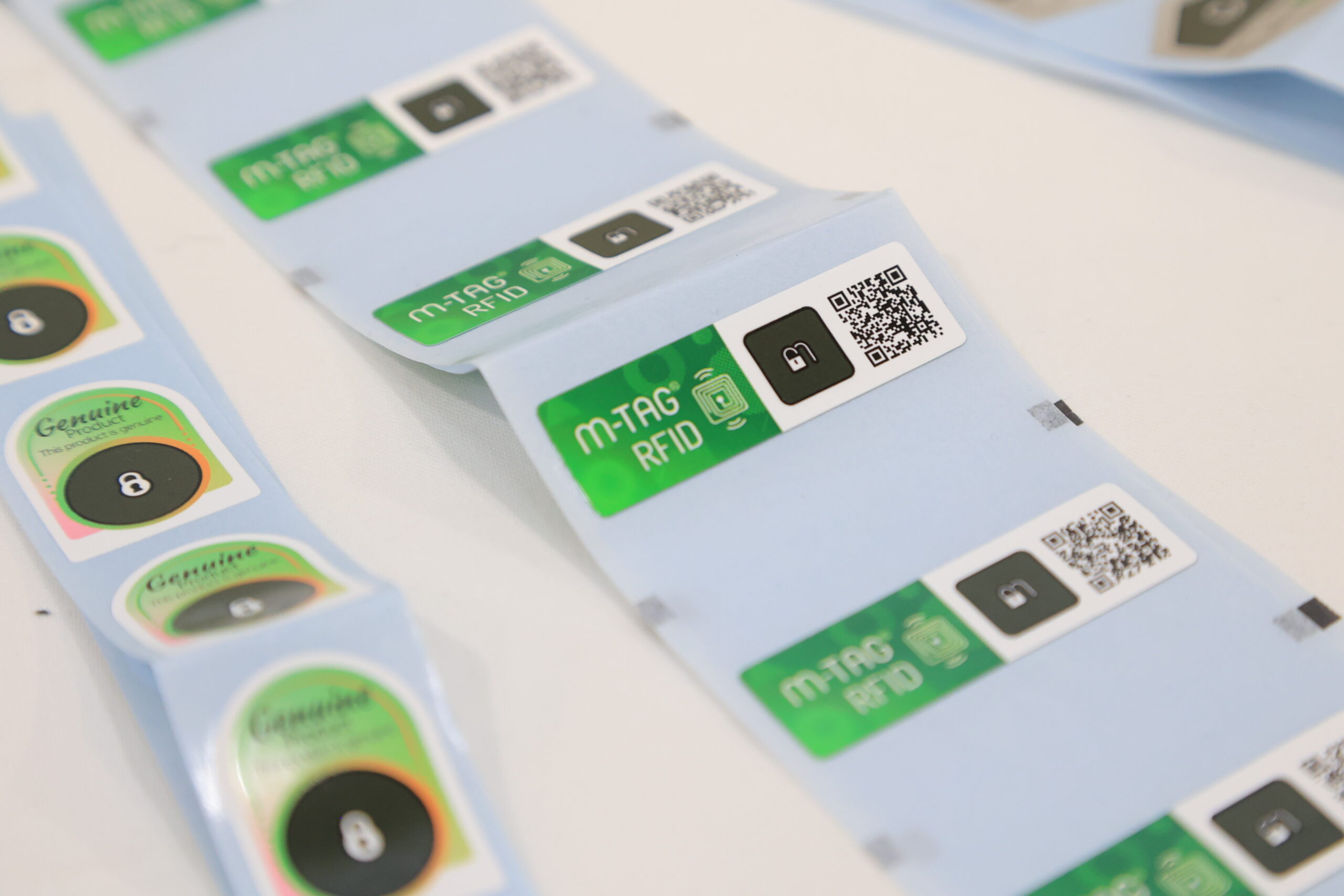
RFID labels are playing an increasingly important role as smart labels that connect physical products with digital information. Their ability to enable contactless identification and data capture supports more efficient inventory management, traceability, logistics operations, and warehouse automation. As companies accelerate digital transformation initiatives and seek greater supply chain visibility, demand for RFID labeling solutions continues to grow. Adoption is expanding across industries including apparel, food, healthcare, retail, and manufacturing, making RFID one of the most significant technologies driving the future of labeling.